A diaper can pass the morning test and fail the afternoon one.
At home, it fits perfectly. No leaks, no fuss, nothing unusual. Then you’re halfway through a shopping trip, your baby starts squirming, and suddenly you’re questioning a product you were perfectly happy with an hour ago.
Here’s what makes this problem interesting: the diaper you checked before leaving isn’t necessarily the diaper your baby is wearing now. Its fit, moisture level and position may have changed—and those changes can reveal problems that weren’t obvious at home.
But which change matters most? The answer depends on what happens between the changing table and your destination.
The Clue Parents Often Miss: What Happened Between the Two Diaper Checks?
Imagine putting your baby in a fresh diaper at 10 a.m. By 11 a.m., you’ve driven across town, carried your little one through a shopping centre and stopped for a snack.
The diaper hasn’t suddenly become a different product. But it has been through an hour of real life.
Your baby has moved, sat, kicked and perhaps wet the diaper several times. The absorbent material may now be heavier, and the way the diaper sits against the body may have changed.
That’s why judging a diaper only when it’s fresh can be misleading. A comfortable fit at the beginning of an outing doesn’t tell you everything about how it will feel later.
The more useful question isn’t simply, “Does this diaper fit?” It’s, “Does it continue to fit comfortably as my baby moves and the diaper absorbs moisture?”
That distinction helps explain why some problems appear only after you’ve left home.
Why the Same Diaper Can Feel Different in a Car Seat
Here’s a detail worth paying attention to: your baby’s position changes throughout the day, but the diaper has to accommodate every one of those positions.
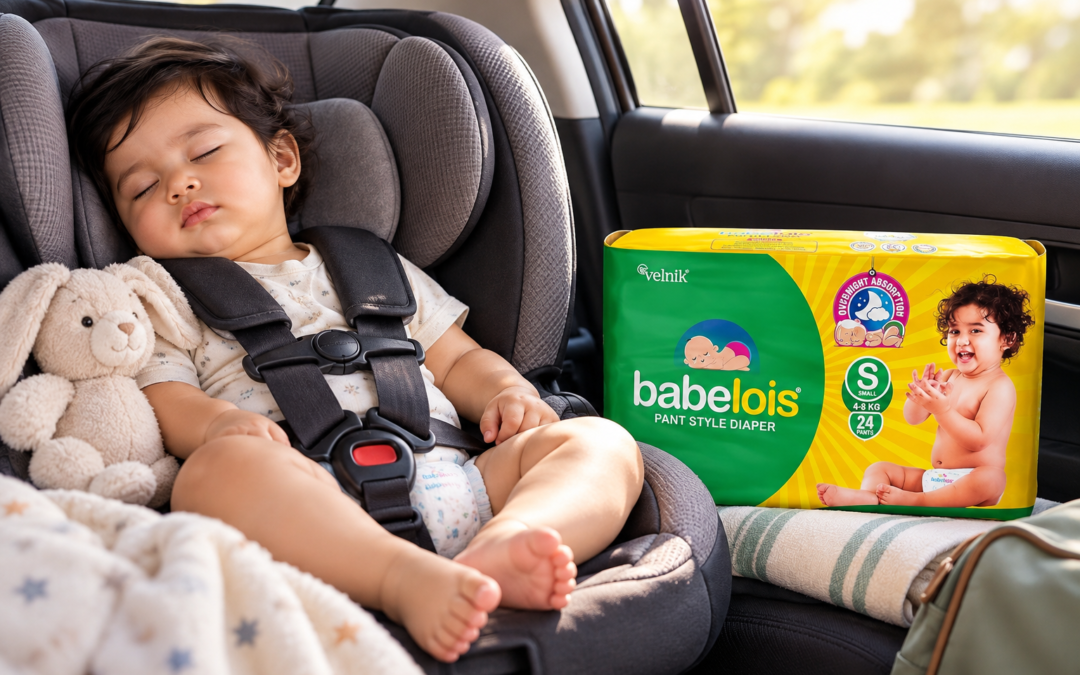
When your baby lies on a changing mat, the diaper may sit neatly around the waist and thighs. In a car seat, their hips and knees are bent, and the diaper is pressed differently against their body.
If the fit is already snug, the material may feel bulkier or bunch up beneath the bottom. A loose fit can create gaps around the legs.
This doesn’t mean car seats automatically make diapers uncomfortable. It means a diaper’s fit should be assessed alongside your baby’s movements and body position.
If your baby repeatedly develops red marks, or the diaper keeps shifting during everyday activities, check the size and fit rather than assuming the problem is unavoidable.
But an uncomfortable fit isn’t the only thing that can change after an hour outdoors. Sometimes, the bigger surprise is what you can’t see.
The Leak That Starts Before You Notice Anything
Most parents notice a diaper leak when they see damp clothing. By then, the problem has already happened.
Before that moment, the diaper may have been absorbing moisture for some time. From the outside, it can still look relatively normal.
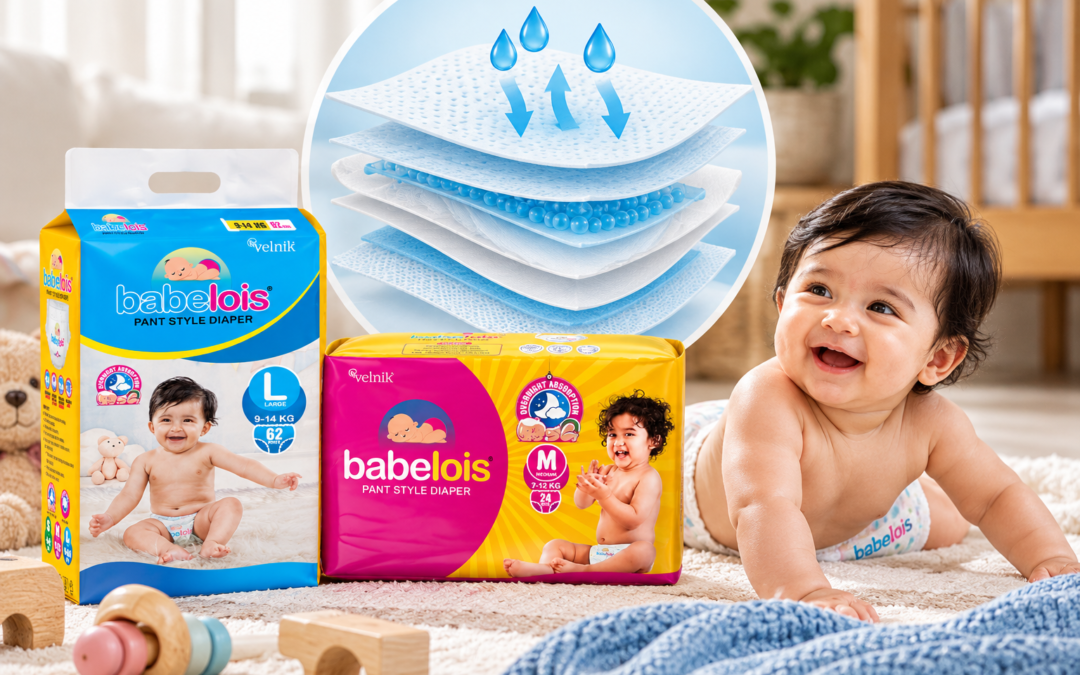
As the absorbent core takes in urine, the diaper can become heavier. Once it reaches its capacity, leakage becomes more likely. Gaps around the legs, incorrect sizing and poorly positioned cuffs can increase the risk, too.
This is particularly inconvenient when you’re travelling, because changing a baby isn’t always as easy as it is at home.
The answer isn’t to assume that a thicker diaper will solve everything. A diaper needs appropriate absorbency, a suitable fit and timely changes.
If you’re comparing leak proof diapers, look beyond the product label. No diaper can guarantee zero leaks in every situation, so check the fit and change your baby promptly when wet or soiled.
And that leads to another question: if fit and absorbency matter so much, why do some parents find that their usual diaper becomes harder to manage as their baby grows?
The Day Your Baby Outgrows More Than Their Clothes
You’ve probably noticed how quickly babies outgrow clothes. A bodysuit that fitted last month suddenly seems snug, and trousers that once covered their feet now stop at the ankles.
Diaper fit can change, too.
A diaper that’s too small may leave marks around the thighs or feel restrictive. One that’s too large may leave gaps that allow moisture to escape.
Parents sometimes respond to repeated leaks by changing brands immediately, when the first thing worth checking is the size.
Use the manufacturer’s weight guidance and look at the actual fit around the waist and legs. If the diaper repeatedly slips, bunches up or leaves red marks, reassess the size.
Once the fit is right, another factor becomes important: how easy is it to change the diaper when your baby refuses to cooperate?
When the Real Problem Is Getting the Diaper On
There’s a stage when changing a baby stops being a quiet two-minute task.
Your little one rolls over just as you open the diaper. You reach for the wipes, and they’re suddenly fascinated by the changing mat’s edge. You try again, and they’ve decided crawling away is a much better use of their time.
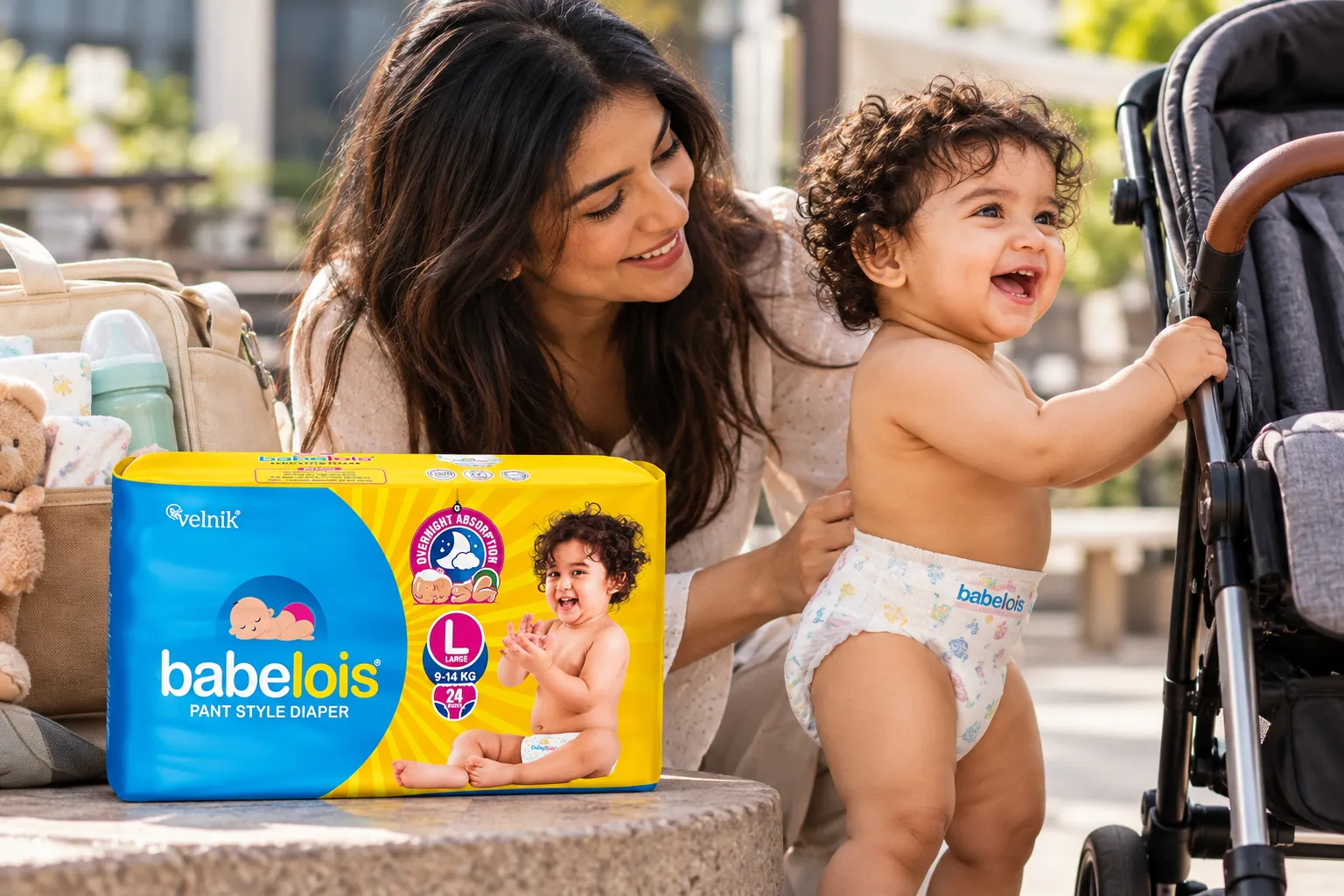
For parents dealing with increasingly active babies, pant style diapers for babies can offer a practical alternative.
Unlike traditional taped diapers, pant style diapers pull on like underwear. That design can make changes more convenient when a baby is crawling, standing or constantly wriggling.
But easy changes don’t automatically mean a better fit. The waistband should stretch comfortably, the leg cuffs should sit properly, and the diaper should suit your baby’s size and stage.
For newborns, the decision may be different. When choosing diapers for newborn baby, check that the product is designed for the baby’s age and weight. Some newborn diapers also feature a shaped front to help avoid rubbing against the healing umbilical stump. Taped diapers may be more convenient for some newborns who spend most of their time lying down.
The right style depends on the baby—not on which option sounds most convenient in an advertisement.
So, Is the Diaper Actually the Problem?
Not always.
Heat, sweat, friction, tight clothing and ordinary baby fussiness can all contribute to discomfort. A baby who seems unhappy outdoors isn’t necessarily reacting to the diaper.
Look for specific clues. Is there a recurring leak? Does the diaper leave marks? Is the skin irritated? Does the problem appear after long periods between changes?
These patterns can help distinguish a fit or absorbency issue from other causes of discomfort.
Choose breathable clothing suitable for the weather, change wet or soiled diapers promptly, and clean and dry the skin gently. If irritation persists or worsens, seek medical advice.
The aim isn’t to blame the diaper for every uncomfortable moment. It’s to identify what is actually happening before spending money on something new.
The Better Way to Test a Diaper
Instead of deciding whether a diaper works based on the first five minutes, pay attention to how it performs during your usual routine.
Notice whether it remains comfortably positioned when your baby moves. Check whether the waistband or leg openings leave marks. Pay attention to repeated leaks and how often changes are needed.
Before a longer outing, start with a fresh diaper if needed, pack a few extras and plan for changing opportunities. Check regularly rather than waiting for visible leakage.
These observations are more useful than choosing a product based on a single feature or a promise printed on the packaging.
The Real Answer: A Diaper Has to Work Beyond the Changing Table
A fresh diaper is only the beginning of the story. Over the next few hours, your baby will move, sit, explore and wet it. The weather may change, your plans may run late, and your next changing opportunity may be farther away than expected.
That’s why the right diaper isn’t simply one that looks good when you put it on. It needs to fit comfortably, manage moisture effectively and suit your baby’s stage of development.
Whether you choose taped diapers or pant style diapers, regular checks and timely changes still matter.
And if the diaper that worked yesterday suddenly seems less comfortable today, don’t assume you need to replace everything. Start with the clues: fit, positioning, moisture and your baby’s changing needs.
Sometimes, the most useful discovery isn’t a new product. It’s understanding why the old routine stopped working.
Frequently Asked Questions
Why does my baby’s diaper leak only when we’re outside?
Longer intervals between changes, movement, incorrect sizing, folded leg cuffs and a saturated diaper can contribute to leakage. Check the fit and change wet or soiled diapers promptly.
Are pant style diapers better for active babies?
They can make changes easier for crawling and standing babies. The right choice still depends on fit, comfort and the baby’s individual needs.
How often should I change my baby’s diaper during an outing?
Check regularly and change wet or soiled diapers promptly. Newborns generally need more frequent changes than older babies.
Are pant style diapers suitable for newborns?
Only when the specific product is designed for the newborn’s age and weight. Check the manufacturer’s recommendations before use.