Ever dressed your baby in the cutest little outfit, only to find the waistband digging in, the snaps refusing to close, or the diaper peeking out underneath? It might not be the outfit alone—or the diaper. Sometimes, the two simply don’t work well together.
Baby clothes come in all kinds of shapes: stretchy rompers, fitted leggings, soft cotton onesies, tiny jeans and roomy dresses. Diapers have their own designs, too, with different waistbands, leg openings and levels of bulk. Put them together, and even a perfectly lovely outfit can become uncomfortable or inconvenient.
The good news? You don’t need to replace your baby’s entire wardrobe. A few simple adjustments can make getting dressed easier, diaper changes quicker and everyday outfits more comfortable.
Let’s explore why the clothing-diaper connection matters more than many parents realise.
The Outfit Looks Perfect. So Why Does It Feel So Tight?
Here’s a little parenting mystery: an outfit can fit your baby beautifully before the diaper goes on, then suddenly feel too snug.
The reason is simple. A diaper takes up space. Its absorbent core, waistband and leg gathers add another layer beneath the clothes. Once your baby is dressed, that extra bulk can change how the outfit sits around the waist, hips and thighs.
This becomes especially noticeable with:
- Fitted bodysuits: The fabric may pull across the diaper area or the snaps may feel difficult to fasten.
- Slim-fit leggings: The material can bunch around the thighs if there’s little room for the diaper.
- Denim or structured trousers: Less-stretchy fabric may feel restrictive when your baby bends, kicks or sits.
- Close-fitting rompers: The outfit may ride up or pull at the shoulders if the diaper area doesn’t have enough room.
The solution isn’t necessarily to choose a bigger diaper or a larger outfit. Start by checking both fits separately. The diaper should sit securely without digging into the skin, while the clothing should allow your baby to move freely.
Why Some Clothes and Diapers Are a Better Match
Think of dressing your baby as putting together two pieces of a puzzle. One needs to fit comfortably against the body; the other needs enough room to sit over it.
A soft, stretchy outfit may work well with a diaper that has a flexible waistband and a comfortable fit around the legs. A more structured outfit may need extra room through the hips and seat.
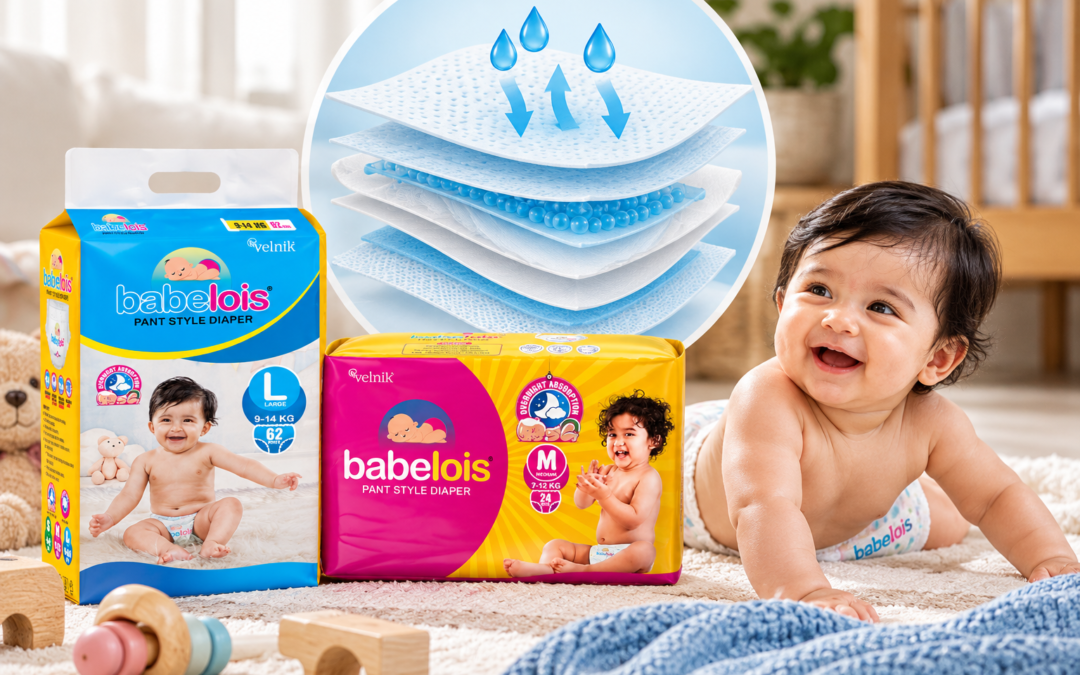
When comparing pants style diapers for babies, consider how the pull-on waistband sits beneath your baby’s usual clothes. These diapers can be convenient for active babies, particularly when changing a little one who keeps rolling, crawling or trying to stand. However, the waistband still needs to fit properly and should not be folded or rolled to make it fit under an outfit.
There isn’t one perfect combination for every baby. Body shape, diaper size, fabric stretch and outfit design all influence how comfortable the final fit feels.
The Onesie Snap Test: A Small Detail That Tells You a Lot
Those tiny snaps at the bottom of a bodysuit can reveal more than you might expect.
If you have to pull the fabric tightly just to close them, the outfit may not have enough room for the diaper. If the bodysuit keeps riding up or the snaps repeatedly come undone, check whether the size or cut is suitable for your baby’s current proportions.
Try these simple checks:
- Can you fasten the snaps without pulling the fabric tightly?
- Does the material sit comfortably around the diaper area?
- Can your baby kick and bend their legs naturally?
- Does the outfit stay in place without constantly needing to be pulled down?
If the answer is no, try a roomier cut or a size with more space around the bottom. Babies grow quickly, and an outfit that fitted last week may already feel different.
A useful reminder: clothing should never be so tight that it restricts movement or presses uncomfortably against the diaper.
Are Pant Style Diapers a Good Match for Everyday Outfits?
For parents who prefer easy changes, pant style diapers can be a practical option as babies become more active. Their pull-on design makes them convenient during wriggly diaper changes, while a comfortable waistband and the correct size help the diaper sit properly beneath everyday outfits.
They can work well with stretchy trousers, casual rompers and everyday clothing that allows enough room around the waist and hips. However, the pull-on design doesn’t automatically make a diaper more comfortable with every outfit. A snug waistband or narrow leg opening can still create an uncomfortable fit if the size isn’t right.
Before choosing a diaper style, think about your baby’s stage, body shape and usual clothing. The best option is one that fits securely, allows natural movement and makes changing time manageable for your family.
Does a Bulky Diaper Mean You Need Bigger Clothes?
Not always. First, consider why the diaper looks or feels bulky.
A diaper naturally has some thickness because it contains absorbent material. As it absorbs urine, it can become heavier and fuller. That’s normal, but a diaper that looks unusually bulky before use may simply be the wrong size or design for your baby’s body.
Instead of sizing up in clothes automatically, check three things.
1. The diaper size
Follow the manufacturer’s weight guidance and check the fit around the waist and legs. A diaper that is too large can gape, while one that is too small may leave marks or feel restrictive.
2. The outfit’s cut
Some clothes have extra room around the seat, while others are designed to fit closely. A relaxed-fit romper may accommodate a diaper more comfortably than rigid trousers in the same nominal size.
3. The timing of the change
If the diaper is wet or soiled, change it rather than trying to make the outfit accommodate an increasingly full diaper. Regular checks help keep your baby comfortable and make it easier to spot leakage.
You don’t have to choose between a cute outfit and a practical diaper. You simply need both to fit the baby wearing them.
What About Leaks? Can the Wrong Outfit Make Them Worse?
It’s frustrating to discover a damp patch on a fresh outfit, especially just before leaving the house. But before blaming the clothes, look at how the diaper fits and whether it needs changing.
Leaks can happen for several reasons, including an incorrect size, gaps around the legs, a saturated diaper or a diaper that hasn’t been positioned properly. Clothing may make a poor fit more noticeable, but it doesn’t automatically cause a leak.
If you’re comparing leak proof diapers, remember that no diaper can guarantee zero leaks in every situation. Look for a suitable size, a secure fit around the legs and waist, and absorbency appropriate for your baby’s needs.
A few practical habits can help:
- Smooth the leg gathers into their intended position after putting the diaper on.
- Check that the waistband sits comfortably and isn’t folded over.
- Change the diaper when it is wet or soiled.
- Pack a spare outfit when heading out for longer periods.
- If leaks keep happening, reassess the size and fit rather than relying on tighter clothing to hold the diaper in place.
Clothes should sit comfortably over a properly fitted diaper—not act as a substitute for one.
Newborn Outfits Need a Little Extra Thought
Newborn dressing comes with its own challenges. Babies spend much of their time lying down, their bodies are still very small, and frequent diaper changes are part of everyday life.
When choosing diapers for newborn baby, pay attention to the recommended weight range and the way the diaper fits around the tummy and legs. Some newborn diapers have a shaped or lowered front to help avoid rubbing against the healing umbilical stump; follow the product instructions and your healthcare professional’s guidance.
Clothing matters here, too. Soft, easy-to-open bodysuits and sleepers can make changes less complicated than outfits with lots of buttons, stiff seams or several layers.
Look for:
- Soft fabrics that don’t rub against delicate skin.
- Enough room around the diaper area.
- Fastenings that make diaper changes easy.
- A comfortable fit without tight waistbands or leg openings.
The best newborn outfit isn’t necessarily the fanciest one. It’s the one that keeps your baby comfortable and makes those frequent changes a little easier for you.
The Everyday Outfit Formula: Match the Diaper to the Plan
You don’t need a separate wardrobe for every activity. But thinking about what your baby will be doing can help you choose an outfit that works with the diaper rather than against it.
For a day at home
Soft cotton bodysuits, relaxed trousers and stretchy rompers are practical choices. Prioritise comfort and easy access for changes.
For outings
Choose clothes that are comfortable to sit in and easy to change if an accident happens. A spare diaper and outfit can save you from an unexpected wardrobe crisis.
For active, wriggly babies
Stretchy clothing with enough room around the hips and thighs can make crawling, kicking and standing more comfortable. A well-fitting pull-on diaper may make changes easier, but the right size still matters.
For special occasions
That miniature formal outfit can be adorable, but check the fit before you leave. Make sure your baby can move comfortably and that the diaper isn’t pushing the fabric tightly against the waist or legs.
One important safety note: if your baby will be travelling in a car seat, avoid bulky coats or padded snowsuits beneath the harness. Follow the car seat manufacturer’s instructions for clothing and harness adjustment. Never loosen a harness just to accommodate an outfit or diaper.
A Quick Checklist Before You Leave the House
Before you zip up the changing bag and head out, take a moment to check the complete outfit.
- Fit: Is the diaper secure without gaps, tightness or uncomfortable marks?
- Movement: Can your baby kick, bend and move naturally?
- Clothing: Are the waistband, snaps and leg openings comfortable?
- Freshness: Does the diaper need changing before you leave?
- Backup: Have you packed spare diapers and clothes for the trip?
These small checks take very little time, but they can prevent uncomfortable outfits and make unexpected changes easier to manage.
The Best Combination Is the One That Works for Your Baby
Baby clothing and diapers might seem like two separate shopping decisions, but they meet in one very practical place: your baby’s comfort.
A snug bodysuit, a bulky diaper or a waistband that keeps slipping can turn an ordinary dressing routine into a daily struggle. Often, the fix is simple: choose clothes with enough room, check the diaper’s fit and change a wet or soiled diaper promptly.
When comparing diaper styles, including pull-on designs, focus on the fit and your baby’s stage rather than assuming one style works best with every outfit.
Because the goal isn’t just to make an outfit look good. It’s to help your little one feel comfortable in it—and make getting dressed one less thing to worry about.