The mystery of the missing trouser button. The bodysuit that suddenly won’t close. The outfit that looked adorable until your baby sat down. If dressing your little one sometimes feels like solving a puzzle with missing pieces, the diaper underneath might be part of the story.
Here’s a detail that rarely gets mentioned when parents shop for baby clothes: an outfit is designed around your baby’s body, but the fit also has to accommodate whatever your baby is wearing underneath.
And that changes more than you might expect.
A diaper takes up space. It changes shape as it absorbs moisture. It sits right where waistbands, trouser seams and bodysuit fasteners meet. Get the combination wrong, and an otherwise lovely outfit can become awkward, restrictive or difficult to change.
Let’s investigate the little things that can make a surprisingly big difference.
The Bodysuit Is Sending You a Message
You’ve fastened the bottom snaps. One side looks fine; the other seems to be working overtime. When your baby kicks, the fabric pulls across the crotch.
Before blaming the clothing size, look at what’s happening underneath.
A diaper adds volume around the bottom. If the bodysuit has very little extra room, that volume can pull the fabric tight, especially when your baby bends their legs. The snaps may still close, but the outfit might not sit comfortably.
Try the sitting test: after dressing your baby, check whether the fabric pulls tightly across the diaper area when they sit or bend their legs. The fastenings shouldn’t look strained, and the outfit shouldn’t press firmly against the diaper.
This is particularly useful when buying one-piece outfits online. Product photos show how clothes look on a model; they don’t tell you how much room the garment leaves for your baby’s particular diaper.
That extra bit of room around the bottom isn’t wasted fabric. It can be the difference between an outfit that works and one that spends the day being tugged into place.
Your Baby Hasn’t Grown Overnight. But the Fit May Have Changed.
Yesterday, the trousers fitted perfectly. Today, you’re struggling to get them over the diaper. Has your baby suddenly outgrown half the wardrobe?
Not necessarily.
Diapers change as they absorb liquid. The absorbent materials inside retain moisture, which can make the diaper heavier and bulkier. A close-fitting outfit may feel different later in the day than it did when you first dressed your baby.
There’s another possibility: your baby is growing, and their proportions are changing. A waistband that once sat comfortably may now feel snug around the hips.
So before packing away every pair of trousers, look at both pieces separately.
- Is the diaper sitting correctly, without deep marks or gaps?
- Does the clothing pull across the bottom or thighs?
- Does the diaper become noticeably bulky before the next change?
- Are the clothes restrictive even with a fresh diaper?
These observations can help you identify whether the problem is the clothing, the diaper fit or simply the need for a change.
The Great Leg-Gap Mystery
A diaper leak can ruin an outfit. But sometimes, the clues are hiding in the smallest details.
Disposable diapers have leg gathers designed to help create a close fit around the thighs. If those gathers are folded inward, or the diaper doesn’t fit your baby’s body properly, liquid may escape around the legs.
Now add a pair of tight leggings or trousers that push against the diaper. The clothing may disturb how the diaper sits, making it worth checking the fit of the entire outfit.
This is why shopping for leak proof diapers should involve more than comparing advertising claims. No diaper can guarantee that leaks will never happen. The right size, correct positioning, absorbency and timely changes all matter.
Next time you notice a leak, play detective:
Where did it happen? Around the legs, at the waist or through an already saturated diaper?
What was your baby wearing? Did the waistband sit tightly against the diaper, or did the leg openings push the fabric inward?
Was it time for a change? Even a well-fitting diaper has a limit to how much liquid it can retain.
The answers may reveal a straightforward fix without sending you on an endless search for another brand.
Why the Same Outfit Works for One Baby but Not Another
Your friend swears by a particular brand of baby leggings. You buy the same pair, in the same size, and they seem to fit your baby completely differently.
It’s easy to blame the sizing chart. But babies have different body proportions, and diapers aren’t identical in shape or bulk.
One baby may have fuller thighs; another may have a longer torso. One diaper may sit higher at the waist, while another has a different cut around the bottom. Put the same outfit over both combinations, and the result may not be the same.
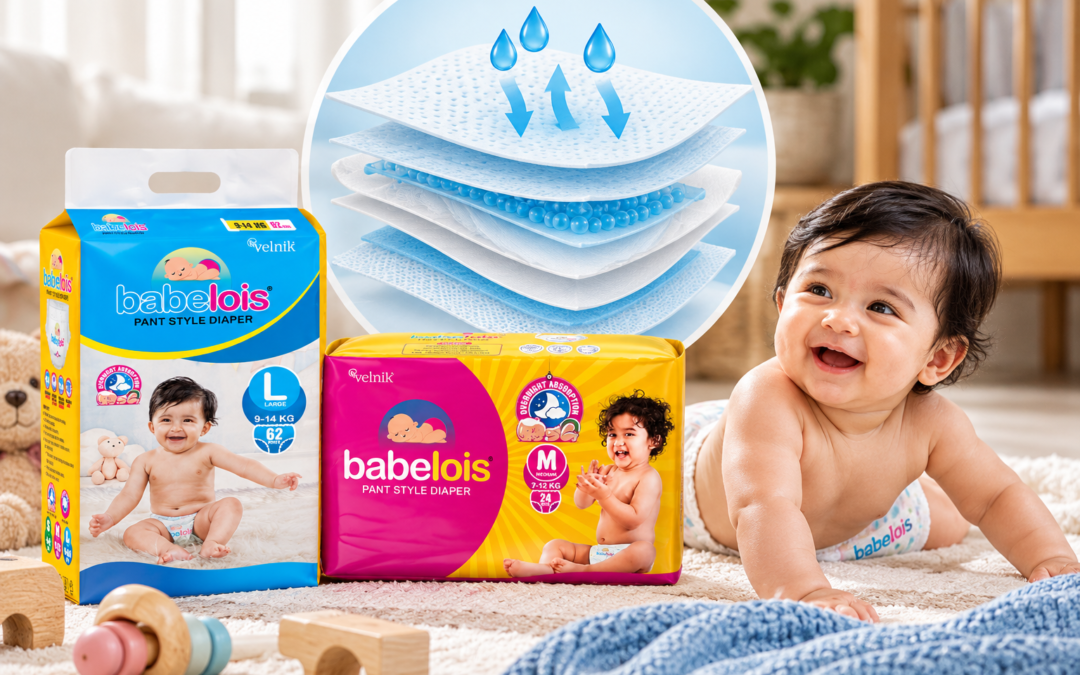
This is where pants style diapers for babies can enter the conversation. Their pull-on design may make changes easier for babies who have mastered rolling away at exactly the wrong moment. The stretchy waistband can also accommodate movement when the diaper fits properly.
But pull-on doesn’t mean problem-free. A diaper that’s too tight can still leave marks, while one that’s too loose may shift or leak.
When choosing pant style diapers, think about your baby’s shape, the manufacturer’s sizing guidance and how the diaper fits beneath their usual clothes. The best choice is the one that works for your baby—not necessarily the one another parent recommends.
Newborns and Tiny Clothes: Cute Is Not Always Convenient
Newborn outfits deserve their own category of parenting decisions. There are tiny buttons, delicate fabrics and outfits that somehow require three hands to put on.
Meanwhile, your baby needs regular diaper changes, often at inconvenient moments.
For diapers for newborn baby, the fit deserves particular attention. Follow the recommended weight range, check that the diaper sits comfortably around the waist and thighs, and avoid pressure against a healing umbilical stump. Some newborn diapers have a shaped or lowered front to help keep the area clear; follow the manufacturer’s directions and your healthcare professional’s advice.
Clothing can make those early changes easier or harder. Front-opening outfits, accessible fastenings and soft fabric can save time without requiring you to pull clothing repeatedly over your newborn’s legs.
And here’s a practical shopping rule: if an outfit takes considerable effort to open, close and adjust during a diaper change, consider whether you’ll actually enjoy using it every day.
The prettiest outfit in the drawer doesn’t have to be the most practical one. But a comfortable, easy-to-change outfit may quickly become your favourite.
The Dressing Mistake That Becomes a Safety Issue in the Car
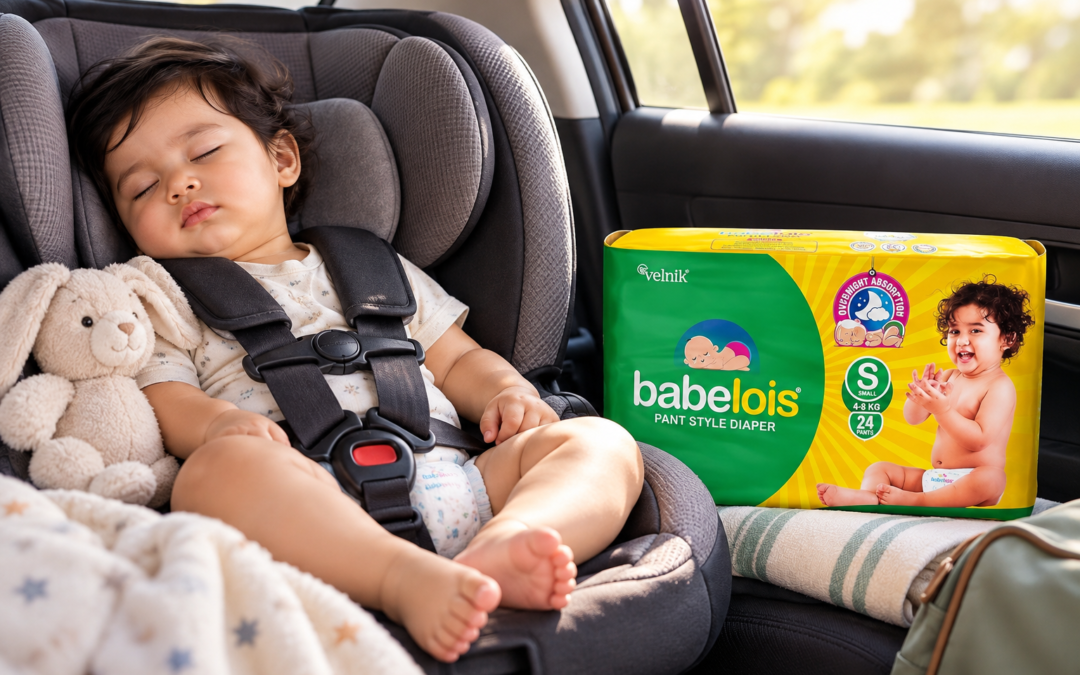
There’s one place where getting the diaper-and-clothing combination wrong matters for a reason beyond comfort: the car seat.
Thick clothing can compress in a crash and leave a harness looser than it appeared when you buckled your baby in. For that reason, bulky coats and padded snowsuits generally shouldn’t be worn beneath the harness unless the car seat manufacturer specifically permits them.
The harness needs to fit according to the seat’s instructions, with no bulky layers interfering.
A diaper can also become fuller during a journey, so plan safe stops for changes rather than trying to solve discomfort while the vehicle is moving.
This isn’t a reason to dress your baby in uncomfortable clothing. It’s a reminder that warmth, diaper fit and harness safety need to be considered together.
A Better Shopping Question Than “What Size Is This?”
Baby clothing labels are useful, but they can’t tell you everything about how an outfit will fit over a diaper.
Instead of asking only whether your baby wears size three to six months, ask a few more specific questions:
- Does the garment leave room around the bottom and thighs?
- Can your baby move without the fabric pulling tightly?
- Is the waistband comfortable over the diaper?
- Will the outfit be easy to open when a change is needed?
- Does it suit the weather without adding unnecessary layers?
You don’t need to buy everything one size larger. Oversized clothing can bunch up, too. You’re looking for a comfortable fit that accommodates the diaper without restricting your baby.
And if you’re shopping online, garment measurements and details about stretch may be more useful than relying on the age printed on the label.
The Real Trick Is to Stop Treating Them as Two Separate Choices
A diaper purchase often revolves around absorbency, fit and convenience. A clothing purchase revolves around fabric, style and size. Yet your baby experiences both at the same time.
That’s why a small mismatch can have such an outsized effect. A waistband presses where it shouldn’t. A bodysuit pulls across the bottom. A diaper shifts beneath a tight pair of trousers.
None of these problems necessarily require an entirely new wardrobe or a different diaper brand. Sometimes, the fix is changing the size, choosing a different cut or making sure the diaper is positioned properly.
The next time an outfit seems wrong, don’t just look at the label. Look at the combination.
Because dressing a baby isn’t about making every piece fit perfectly on its own. It’s about making the whole outfit work for the little person wearing it.