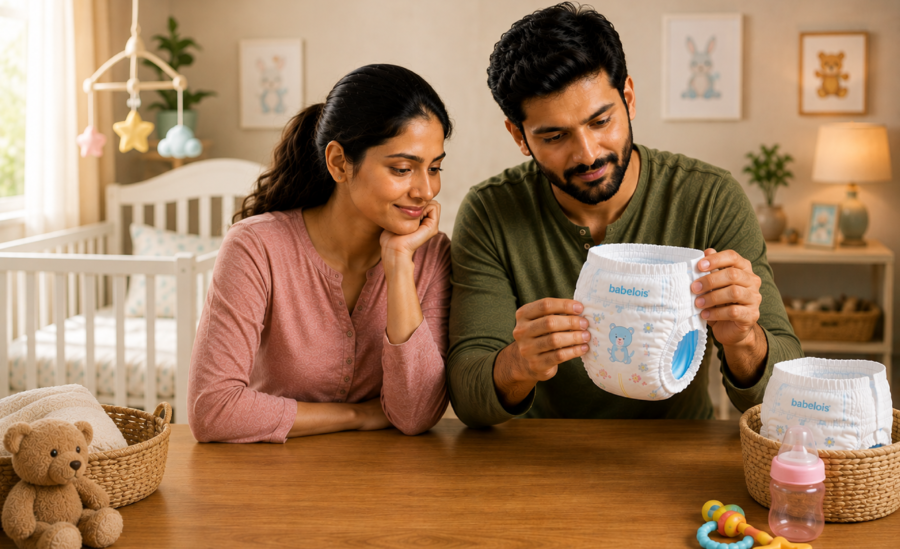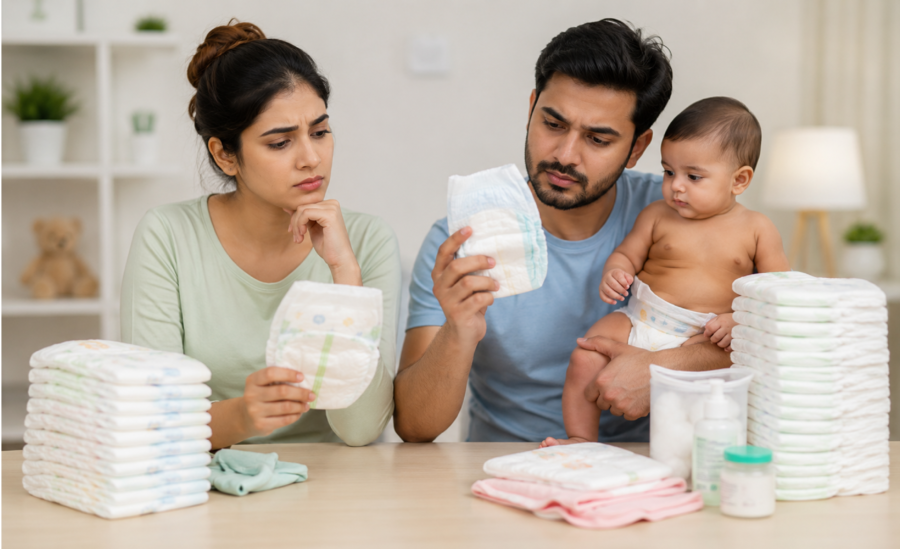
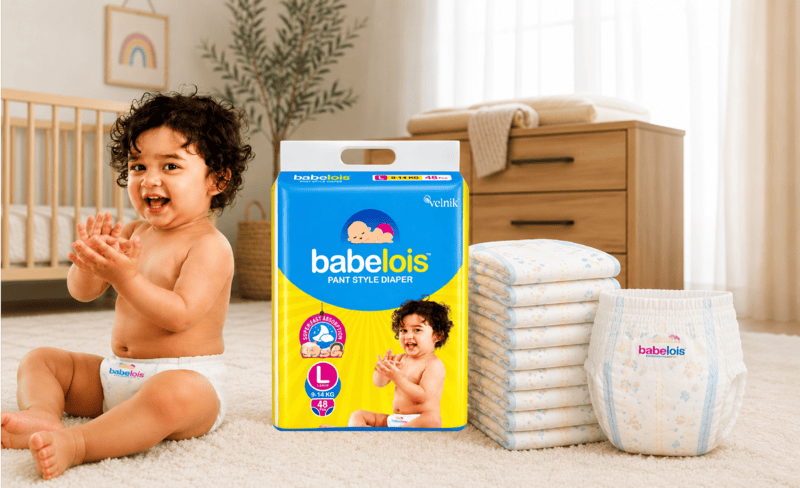
A baby typically needs 10–12 diapers per day for newborns, which equals around 70–84 diapers per week and approximately 300–360 diapers per month. However, this number gradually decreases as the baby grows older, with toddlers using far fewer diapers per day.
Parents often ask one common question before welcoming a baby: how many diapers will a newborn actually need? Although the answer changes according to age, feeding habits, and growth stages, understanding diaper usage helps parents plan better and avoid unnecessary stress. Moreover, knowing the right diaper quantity also helps manage monthly baby care expenses more effectively.
Today, many parents prefer pant-style diapers because they are easy to wear, comfortable for active babies, and convenient during travel. At the same time, choosing the right diaper type and quantity ensures better hygiene, healthy skin, and uninterrupted sleep for babies.
In this detailed guide, you will learn how many diapers babies typically need per day, week, and month based on age. Additionally, you will understand how diaper usage changes over time and how to select the right options for your child.
Why Understanding Diaper Usage Is Important
Babies use diapers almost continuously during their first two to three years. Therefore, estimating diaper usage early helps parents:
- Plan monthly baby care budgets.
- Avoid emergency diaper shortages.
- Maintain proper baby hygiene.
- Prevent diaper rash and discomfort.
- Choose suitable diaper sizes on time.
Furthermore, understanding diaper patterns helps parents identify whether the baby is feeding properly and staying hydrated.
How Many Diapers Does a Newborn Need Per Day?
Newborn babies require the highest number of diaper changes because their stomachs are small and they urinate frequently. In addition, newborn bowel movements happen more often during the first few weeks.
Average Daily Diaper Usage by Age
| Baby Age | Diapers Per Day |
| Newborn (0–1 Month) | 10–12 diapers |
| 1–5 Months | 8–10 diapers |
| 5–12 Months | 6–8 diapers |
| 1–2 Years | 4–6 diapers |
| 2+ Years | 3–5 diapers |
Although these numbers are averages, every baby is different. Some babies may require more frequent changes, especially if they have sensitive skin.
How Many Diapers Does a Baby Need Per Week?
Weekly diaper usage becomes easier to estimate once parents understand daily patterns. Since babies grow quickly, diaper usage gradually reduces over time.
Estimated Weekly Diaper Requirement
| Baby Age | Diapers Per Week |
| Newborn | 70–84 diapers |
| 1–5 Months | 56–70 diapers |
| 5–12 Months | 42–56 diapers |
| 1–2 Years | 28–42 diapers |
Therefore, many parents prefer buying diapers in bulk packs because it saves both time and money.
How Many Diapers Does a Baby Need Per Month?
Monthly calculations help parents plan long-term diaper purchases more accurately. Moreover, this estimate is useful while preparing a baby registry or budgeting for the first year.
Estimated Monthly Diaper Usage
| Baby Age | Diapers Per Month |
| Newborn | 300–360 diapers |
| 1–5 Months | 240–300 diapers |
| 5–12 Months | 180–240 diapers |
| 1–2 Years | 120–180 diapers |
As babies become more active, many parents switch to pants-style diapers for babies because they offer flexibility and easier movement.
Why Many Parents Prefer Pant Style Diapers
Traditional taped diapers work well for newborns. However, once babies start crawling, rolling, or walking, diaper changing becomes more challenging. Therefore, many parents choose baby diaper pant-style designs for convenience.
Benefits of Pant Style Diapers
Easy to Wear
Parents can quickly pull them up like regular underwear. As a result, diaper changes become faster.
Better for Active Babies
Since babies move constantly after six months, taped diapers may loosen easily. On the other hand, pant-style diapers stay secure during movement.
Comfortable Fit
Elastic waistbands provide flexibility and comfort. Consequently, babies can crawl and walk more comfortably.
Ideal for Travel
During outings, parents often find pants style diapers easier to change in public places.
How Often Should You Change a Baby’s Diaper?
Changing diapers regularly is extremely important because prolonged wetness may cause irritation and rashes.
Recommended Diaper Change Frequency
- Newborns: Every 2–3 hours
- Older babies: Every 3–4 hours
- Immediately after bowel movements
- Before bedtime
- After waking up
Additionally, nighttime diaper changes may be reduced once babies begin sleeping longer.
Signs That a Baby Needs a Diaper Change
Sometimes babies clearly indicate discomfort, while at other times parents must observe carefully.
Common Signs Include
- Crying or fussiness
- Strong odor
- Sagging diaper
- Wetness indicator changing color.
- Baby touching or pulling the diaper.
Therefore, regular checks help maintain hygiene and comfort.
How to Choose the Right Diaper Size
Using the correct diaper size is equally important because improper fitting can lead to leakage and discomfort.
Signs the Diaper Is Too Small
- Red marks around the thighs
- Frequent leakage
- Tight waistband
- Baby discomfort
Signs the Diaper Is Too Large
- Gaps around legs
- Loose fitting
- Frequent side leakage
Brands like Babelois and Velnik offer multiple size options designed to support babies during different growth stages. Moreover, parents looking for the best pant style diapers often focus on softness, absorption, and stretchability.
How Many Diapers Will a Baby Use in the First Year?
Most babies use approximately 2,500 to 3,000 diapers during their first year. However, this number may vary according to feeding patterns and growth.
Approximate First-Year Breakdown
| Stage | Approximate Diapers |
| Newborn Stage | 700–900 |
| Infant Stage | 1,200–1,500 |
| Older Baby Stage | 800–1,000 |
Therefore, diapers become one of the biggest recurring baby care expenses during early parenting.
Tips to Reduce Diaper Waste and Expenses
Although diapers are essential, smart purchasing habits can help reduce unnecessary spending.
- Buy in Bulk Carefully
- Monitor Growth Stages
- Choose High-Absorbency Options
- Store Diapers Properly
Common Mistakes Parents Make While Using Diapers
- Delaying Diaper Changes
- Using Incorrect Size
- Overusing Powder or Cream
- Ignoring Skin Sensitivity
Are Pant Style Diapers Better Than Tape Diapers?
Tape Diapers Work Better For:
- Newborns
- Frequent nighttime changes
- Babies who stay mostly lying down
Pant Style Diapers Work Better For:
- Crawling babies
- Walking toddlers
- Outdoor activities
- Quick diaper changes
As a result, many parents gradually switch to baby diaper pant-style options after the newborn stage.
How to Prevent Diaper Rash
- Change diapers regularly
- Allow airflow whenever possible.
- Use gentle wipes
- Keep skin dry before wearing a new diaper.
- Select breathable diapers
Additionally, premium-quality pant-style diapers with soft material may help reduce irritation.
FAQs
How many diapers does a newborn use in one day?
A newborn usually uses 10 to 12 diapers daily because they urinate and defecate frequently.
How many diapers should I buy before delivery?
Most parents start with 2 to 3 packs of newborn diapers because babies quickly outgrow smaller sizes.
When should I switch to pant-style diapers?
Parents often switch after 5–6 months when babies begin crawling or moving actively.
Are pants-style diapers for babies safe for overnight use?
Yes, many modern diaper pants offer high absorbency suitable for nighttime protection.
Which are the best pant-style diapers for active babies?
The best diapers usually provide soft material, secure fitting, leak protection, and breathable layers. Brands like Babelois and Velnik are often explored by parents looking for comfort-focused diaper solutions.
How many diapers does a baby use in the first month?
Most newborns use around 300 diapers during the first month.
Can wearing diapers continuously harm babies?
No, diapers are safe when changed regularly and used with proper hygiene practices.
Final Thoughts
Understanding diaper usage helps parents prepare better for every stage of baby growth. Although newborns require frequent changes initially, diaper usage gradually decreases as babies grow older. Moreover, choosing comfortable and absorbent options like pant-style diapers improves both hygiene and baby comfort.
Additionally, selecting the right size and changing diapers regularly helps prevent leakage and skin irritation. Brands like Babelois and Velnik offer reliable options for different baby stages, making diaper management easier for parents.
Whether you are preparing for your first baby or managing toddler care, understanding diaper needs helps create a smoother parenting experience while ensuring comfort, cleanliness, and better daily care for your child.