Diapering is one of the most essential tasks for new parents, but it can also be challenging. From leaks and rashes to discomfort and blowouts, diapering problems are common, even for experienced caregivers. Understanding these problems and knowing how to solve them can make diapering easier, safer, and more comfortable for your baby.
In this guide, we will cover common diapering problems, practical solutions, and why pant style diapers can make a significant difference in daily diapering routines.
1. Diaper Leaks
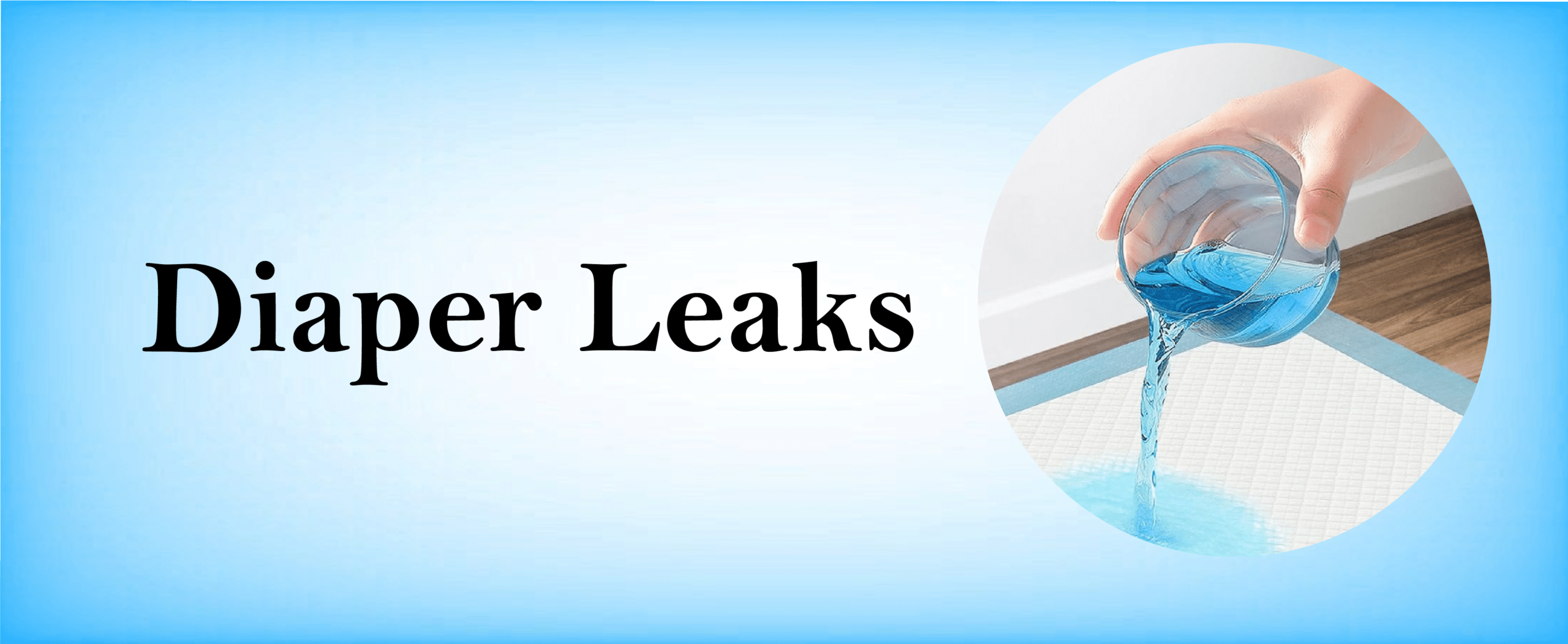 Leaks are one of the most frustrating diapering problems. They can lead to wet clothes, disturbed sleep, and extra laundry.
Why Leaks Happen:
- Incorrect diaper size: Too small or too large diapers fail to create a proper seal.
- Worn-out diapers: Overused or low-quality diapers may lose absorbency.
- Active babies: Crawling or rolling babies can shift the diaper, causing leaks.
Solutions:
- Use the right size: Check the weight range on the diaper packaging.
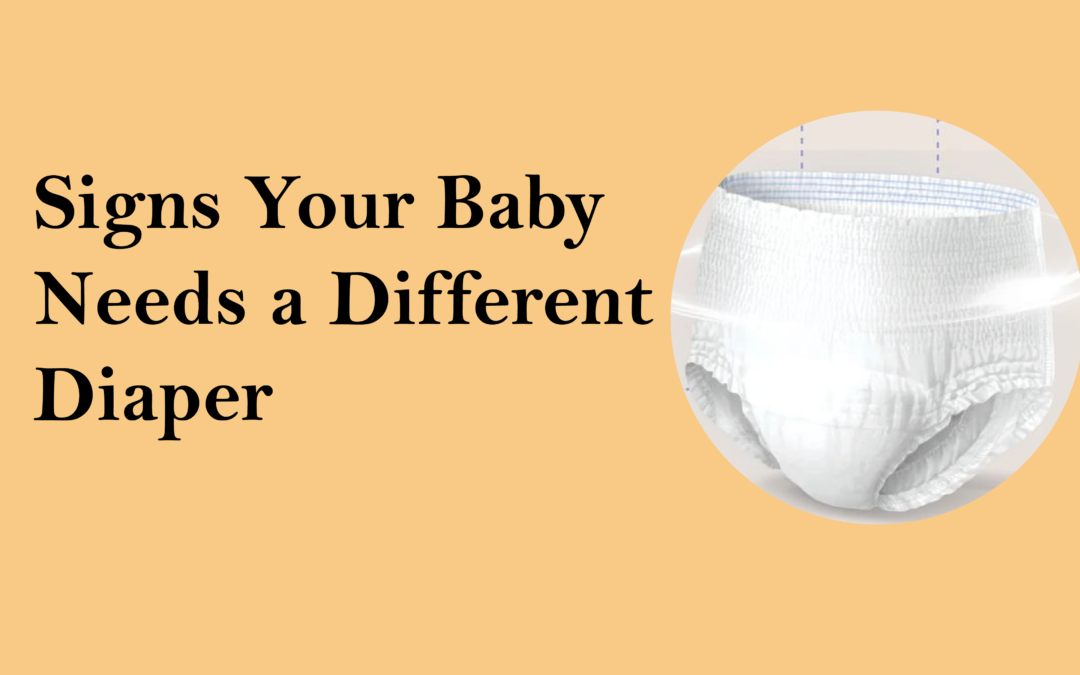
- Choose baby diapers pant style, which offer a snug fit around the waist and thighs, preventing leaks.
- Change diapers frequently—every 2–3 hours for newborns, or immediately after a heavy wetting.
- Ensure the diaper is positioned correctly: Pull up snugly around the waist and legs for maximum protection.
Pro Tip: For nighttime protection, consider high-absorbency pant style diapers designed for longer wear.
2. Diaper Rashes
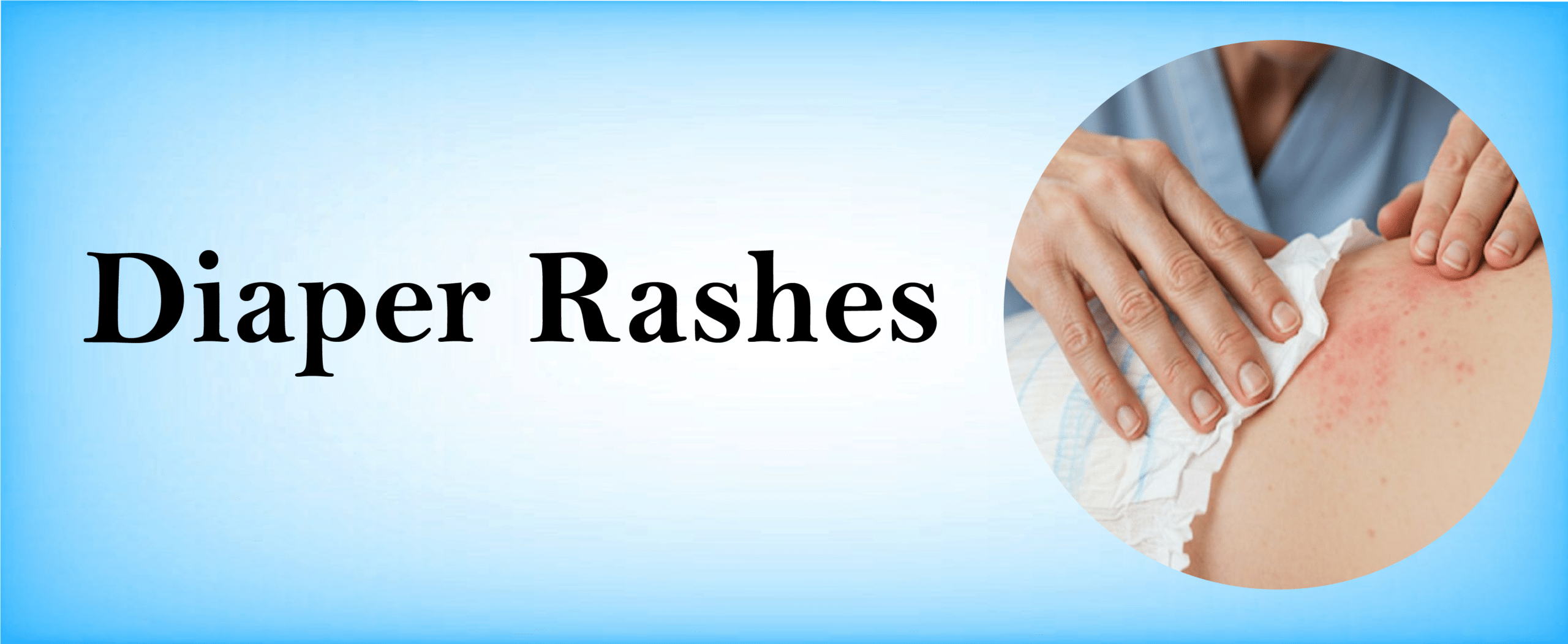 Diaper rash occurs due to prolonged moisture exposure, friction, or skin sensitivity. Babies with delicate skin are especially prone.
Common Signs of Diaper Rash:
- Red or irritated skin in the diaper area
- Small bumps or blisters
- Fussy behavior during diaper changes
How to Prevent and Treat Rashes:
- Keep the area clean and dry. Gently wipe the skin with soft wipes or warm water.
- Apply a barrier cream during each diaper change to protect the skin.
- Opt for pant style diapers for babies to reduce friction
- Avoid tight diapers, which can worsen irritation.
Extra Tip: Give your baby diaper-free time daily to allow the skin to breathe naturally.
3. Difficulty Wearing Diapers
As babies grow more active, traditional taped diapers can become harder to put on.
Why It Happens:
- Babies resist lying still
- Diapers twist or fold during changes
Solutions:
- Switch to pants style diapers for babies—pull-up diapers that function like underwear, making them easier to wear.
- Use distraction techniques: toys, songs, or gentle talking can help babies stay calm.
- Practice makes perfect: Frequent changes help parents become faster and more confident.
Parent Tip: Pant style diapers can support early potty-training readiness as toddlers learn to pull them up and down.
4. Discomfort from Diapers
Babies may cry or fuss if diapers are uncomfortable. Discomfort can arise from rough materials, poor fit, or tight waistbands.
How to Ensure Comfort:
- Choose best pant style diapers made with soft, breathable fabric
- Ensure a snug but not tight waist fit
- Adjust tabs or waistbands to prevent digging or pinching.
M Some baby diapers pant style include elastic waistbands and stretchable sides, which adapt as your baby moves, keeping them comfortable all day.
5. Frequent Blowouts
Blowouts occur when a diaper cannot contain heavy or large bowel movements. This can be messy and stressful for parents.
Reasons for Blowouts:
- Incorrect size or poor fit
- Low-absorbency diapers
- Active babies who move a lot, causing gaps in the diaper
Solutions:
- Use pant style diapers with high absorbency and snug leg cuffs
- Ensure the diaper fits properly around the waist and legs.
- Carry an extra diaper and change of clothes when leaving home.
Pro Tip: Overnight or extra-absorbent diapers can significantly reduce blowouts.
FAQs
1. What are pant style diapers?
Pant style diapers are pull-up diapers shaped like underwear, making them easy to wear and remove.
2. Are pant style diapers better than regular diapers?
They are ideal for active babies because they offer better mobility and leak protection.
3. How do I choose the best pant style diapers?
Look for breathable material, high absorbency, stretchable waistband, and correct size based on weight.
4. Can pant style diapers prevent diaper rash?
Yes, they help reduce friction and improve airflow, lowering irritation risk.
5. When should I switch to pant style diapers?
Most parents switch between 12–18 months when babies begin crawling or walking actively.
Final Thoughts
Diapering problems are common but manageable with the right approach. Choosing baby diapers pant style with proper sizing, soft materials, and high absorbency can prevent leaks, rashes, blowouts, and discomfort.
Investing in the best pant style diapers ensures your baby stays dry, happy, and comfortable—while making diaper changes quicker and less stressful for parents.