Could the way your baby sits change how their diaper feels?
Most parents check a diaper for three things: Is it dry? Does it fit? Is it likely to leak?
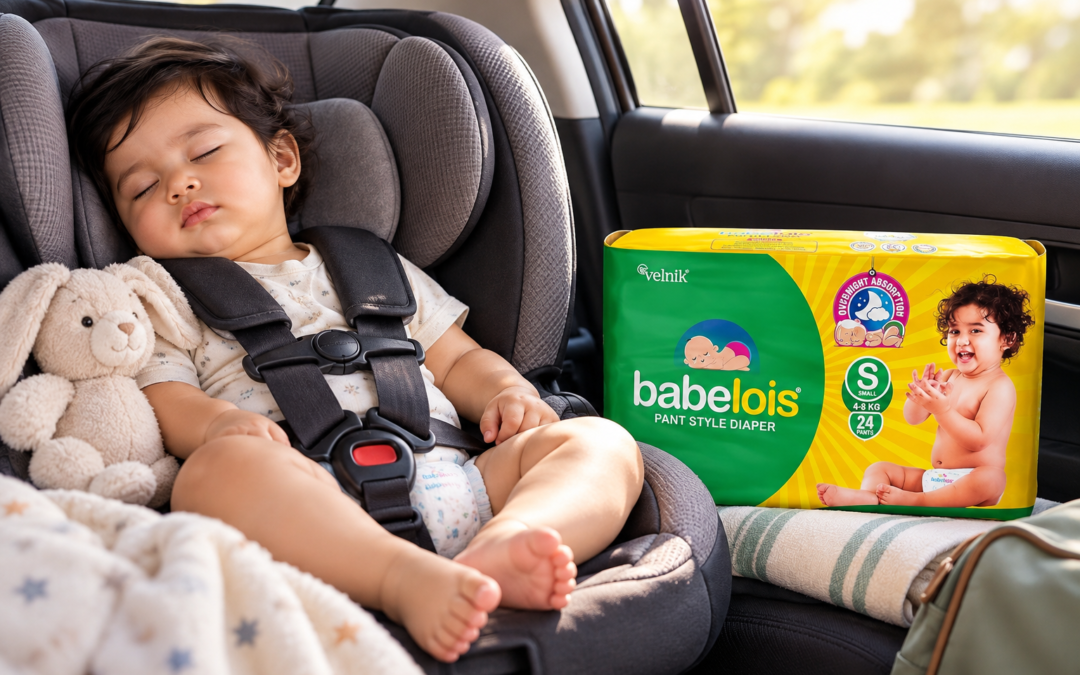
But there’s a fourth factor that rarely gets much attention: what happens when your baby spends time sitting in a car seat.
A diaper is designed to fit around a moving body. A car seat, meanwhile, holds your baby in a specific position for the journey. Put those two together, and a few interesting questions emerge.
Does sitting change the way a diaper rests against the body? Can moisture make an already snug diaper feel bulkier? And could the clothes your baby wears underneath the harness make a difference to comfort and safety?
These aren’t all problems, and they don’t happen to every baby. But understanding the differences can help parents make better decisions before their next journey.
The Diaper Doesn’t Have to Move for Its Fit to Feel Different
A diaper can remain in exactly the same position and still feel different as your baby changes posture.
When your baby lies flat, the hips and legs are positioned differently than when they’re seated. The diaper’s waistband, leg openings and absorbent material may therefore rest against the body differently.
If the diaper is too tight, too loose or already bunching up, that change in posture may make the fit less comfortable.
This is worth considering when choosing pants style diapers for babies, too. The pull-on design may be convenient, but the waistband and leg openings still need to fit comfortably without leaving gaps, digging into the skin or restricting natural movement.
What Moisture Changes—and What It Doesn’t
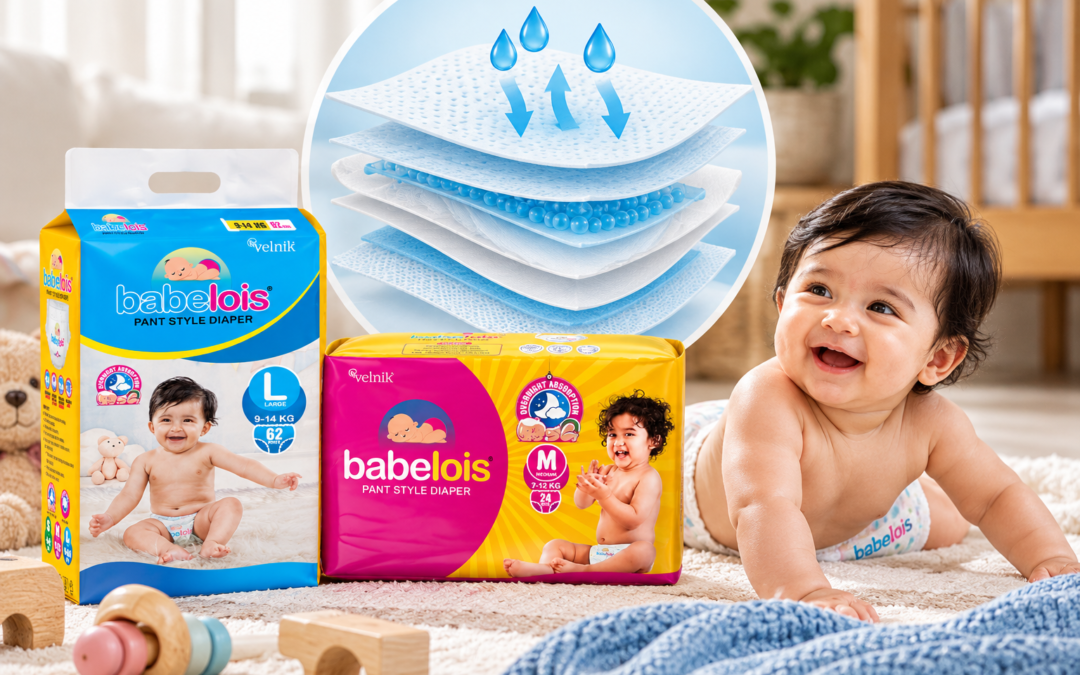
Absorbent material is designed to take in and retain urine. As it does so, a diaper can become heavier and bulkier.
That doesn’t mean sitting in a car seat automatically causes leaks. Leakage depends on several factors, including the diaper’s capacity, fit, positioning and how long it has been worn.
A diaper that is approaching its absorbency limit may need changing during a journey, just as it would at home.
This is also why the term leak proof diapers needs a little perspective: products can be designed to reduce leakage, but no diaper can guarantee protection in every situation.
The Clothing Underneath Matters, Too
A common mistake is to think about the diaper and car seat as two separate things, without considering the clothing in between.
Bulky clothing can affect how a car seat harness fits. Thick coats and padded snowsuits should not be worn under the harness unless the car seat manufacturer specifically permits them.
The same principle applies to adding extra padding or accessories: don’t place unapproved materials between your baby and the harness.
Follow the car seat manufacturer’s instructions for harness adjustment and clothing. Diaper comfort matters, but it should never come at the expense of correct restraint.
Does Diaper Style Make a Difference?
For some families, pant style diapers offer a convenient option because they pull on like underwear. They can be especially practical as babies become more active and resist traditional diaper changes.
However, pull-on styling doesn’t automatically make a diaper safer for car journeys or guarantee fewer leaks. Correct sizing, comfortable fit and regular changes remain important.
The right choice depends on your baby’s needs, not on the assumption that one style is always better.
What Should You Consider When Choosing Diapers for a Newborn?
Newborns have different needs from older, more active babies. When choosing diapers for newborn baby, check the manufacturer’s age and weight recommendations and look for a comfortable fit.
Some newborn diapers feature a shaped front to help avoid rubbing against the healing umbilical stump. Taped designs may be easier for some newborns, while suitable pant style products may work for other stages.
Whichever design you choose, make sure it fits properly and doesn’t interfere with the correct positioning of your baby in the car seat.
Before the Next Journey
Rather than buying a new diaper specifically for car trips, start with the basics:
- Choose the correct diaper size and check the fit.
- Change your baby when the diaper is wet or soiled.
- Pack spare diapers and clothes for longer journeys.
- Stop somewhere safe if your baby needs changing.
- Follow the car seat manufacturer’s instructions for harness fit and safe positioning.
The important distinction is that a diaper and a car seat have different jobs. A diaper manages moisture and provides a comfortable fit; a properly installed car seat protects your baby during travel.
Understanding both helps you prepare without expecting either product to solve problems it wasn’t designed to solve.